
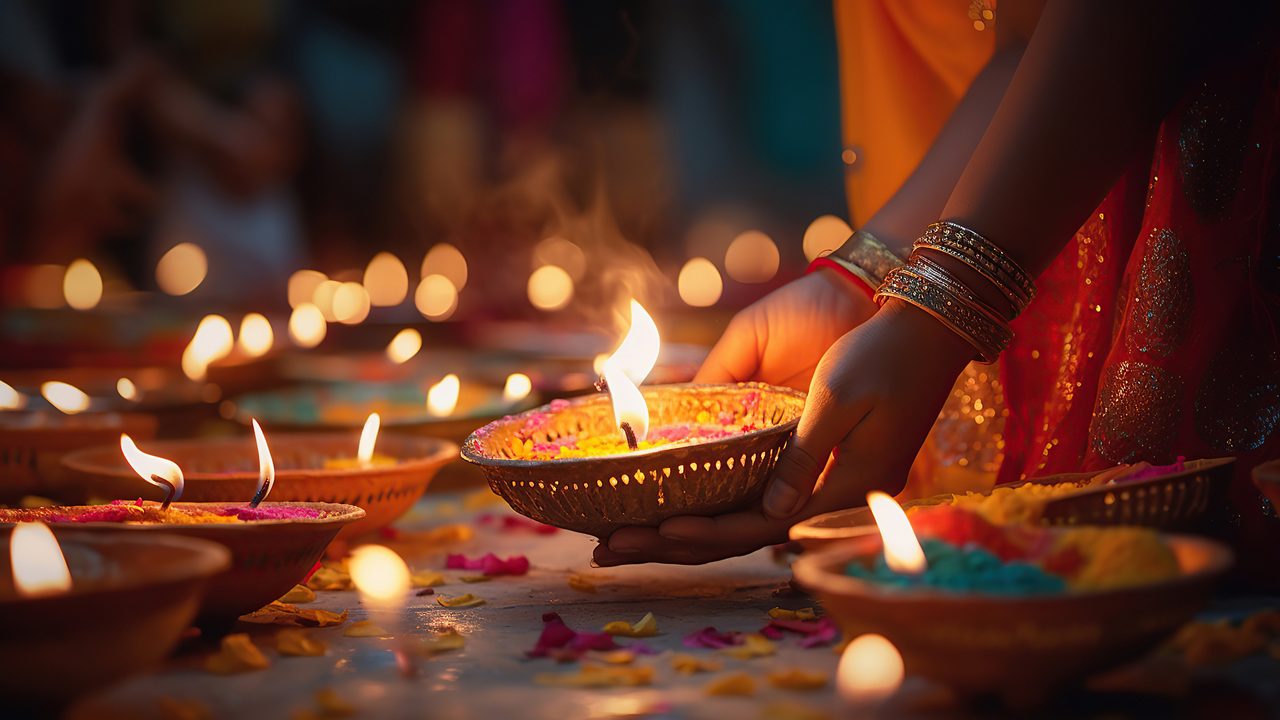
Diwali: The Festival of Lights
India is a land of festivals, and among all the festivals celebrated here, Diwali is one of the most important and most loved. It is called the Festival of Lights, and it brings happiness, joy, and a sense of togetherness. People of all ages, whether young or old, look forward to this beautiful occasion. Diwali is not just about lighting lamps and bursting crackers; it is also about new beginnings, positivity, and strengthening relationships.
The Story Behind Diwali
Diwali has different stories and meanings in various parts of India, but the central theme is always the victory of good over evil and light over darkness.
In northern India, Diwali is celebrated to mark the return of Lord Rama, Sita, and Lakshmana to Ayodhya after 14 years of exile. They returned after defeating the demon king Ravana. The people of Ayodhya welcomed them by lighting lamps and decorating the whole city, which is why even today we light diyas to symbolize joy and triumph.
In western India, Diwali is linked with Lord Krishna’s victory over the demon Narakasura, which again shows how truth always wins over lies. In southern India, the festival is also celebrated as the day of Lord Vishnu defeating the demon Bali. Apart from mythology, Diwali is also the day when people worship Goddess Lakshmi, the goddess of wealth and prosperity, and pray for happiness in their homes.
Preparations for Diwali
The excitement of Diwali begins many days before the actual festival. Families clean and decorate their houses. It is believed that Goddess Lakshmi only enters clean and bright homes, so people make sure every corner is spotless. Many people also buy new clothes, new utensils, and even new things for their houses, as Diwali is considered a very lucky time for starting something new.
Markets and shops are filled with customers. Bright lights, colorful rangolis, sweets, and gifts create a joyful atmosphere everywhere. Children especially look forward to Diwali because they get holidays, new clothes, sweets, and crackers.
How Diwali is Celebrated
On the main day of Diwali, houses are decorated with diyas (small oil lamps), candles, and electric lights. Families perform Lakshmi Puja in the evening, where prayers are offered to Goddess Lakshmi and Lord Ganesha for wealth, wisdom, and peace. After the puja, people exchange sweets and gifts with relatives and neighbors. Delicious food, laddoos, barfis, and other festive dishes make the day even more special.
Crackers and fireworks are another part of Diwali celebrations, especially for children. The sparkling lights in the sky create a magical scene. However, nowadays people are becoming more aware of the environment and prefer to celebrate in eco-friendly ways, such as lighting diyas and avoiding loud or polluting firecrackers.
Diwali as a Festival of New Beginnings
More than anything, Diwali is known as a festival of new beginnings. It comes around the end of the Hindu calendar year, so many people see it as the perfect time to start fresh. Businesses often begin their new financial year during this festival, and people purchase new things with the belief that it will bring them good fortune.
On a personal level, Diwali encourages people to leave behind negativity, grudges, and sadness. Lighting a diya is not just about removing darkness from our homes but also about removing darkness from our hearts and minds. It reminds us to choose positivity, kindness, and hope.
The Social Importance of Diwali
Diwali also plays a very important role in bringing people closer. Families gather together, relatives visit each other, and communities celebrate as one. The exchange of gifts, sweets, and greetings strengthens relationships. People forget differences and celebrate in harmony, which is one of the most beautiful aspects of this festival.
Modern Ways of Celebrating Diwali
While traditions remain strong, the way people celebrate this festival has changed over time. Earlier, celebrations were more simple with earthen diyas and homemade sweets. Today, we see decorated electric lights, store-bought sweets, and modern ways of gifting. Many people also prefer celebrating in eco-friendly ways by reducing the use of crackers, using organic colors for rangoli, and giving plants as gifts instead of material items.
Technology also plays a role today, as people send Diwali wishes through phone calls, messages, and social media. Yet, despite these changes, the spirit of Diwali remains the same – spreading joy and light.
The Deeper Meaning of Diwali
This festival teaches us an important lesson: no matter how strong darkness is, a single lamp of light is enough to remove it. Just as Lord Rama returned after winning over evil, we too must fight the negative qualities within us, like anger, jealousy, or laziness, and welcome light into our lives through good deeds, love, and hard work.
It also teaches us to be grateful for what we have and to share with those who are less fortunate. Many people distribute clothes, food, or money to the poor on Diwali so that everyone can experience happiness during the festival.
Conclusion
This festival is more than just a festival; it is an emotion. It fills our lives with light, laughter, and love. It reminds us to start fresh, to choose goodness, and to strengthen our bonds with family and society. Whether it is through lighting a small diya, offering prayers, or simply sharing sweets, every act during Diwali spreads positivity.
Truly, Diwali is the Festival of Lights and New Beginnings. It teaches us that even in the darkest times, light and hope will always guide us towards a brighter future.