
Pollution and Its Impact
Pollution is one of the biggest problems faced by our world today. It refers to the introduction of harmful substances into the environment, which cause damage to nature and human life. In earlier times, people lived close to nature and used natural resources carefully. But with industrialization, urbanization, and modern lifestyles, pollution has increased at a rapid pace. Today, it has become a global issue that needs urgent attention.
Types of Pollution
There are many forms, and each affects the environment and humans in different ways.
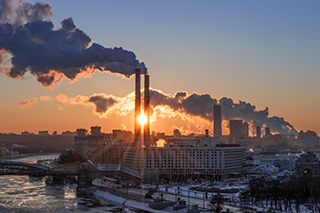
Air Pollution: It is caused by the release of smoke and harmful gases from factories, vehicles, and burning of fuels. Dust, carbon monoxide, sulfur dioxide, and nitrogen oxides make the air poisonous.
Water Pollution: When industries release waste into rivers, lakes, and oceans, or when sewage and plastics are dumped into water bodies, the water becomes polluted. This makes it unsafe for drinking and harmful to aquatic life.
Soil Pollution: Excessive use of chemical fertilizers, pesticides, and dumping of non-biodegradable waste damages the fertility of soil. It affects crops and ultimately the health of humans and animals.
Noise Pollution: Loud horns, construction activities, loudspeakers, and machinery cause noise pollution. Constant noise not only disturbs peace but also affects human health, leading to stress, hearing problems, and lack of sleep.
Plastic Pollution: Plastic waste has become a very serious problem. It does not decompose for hundreds of years and harms animals, marine life, and soil.
Impact on the Environment
It has had devastating effects on the environment.
Climate Change: Due to excessive emission of greenhouse gases like carbon dioxide and methane, the earth’s temperature is rising. This leads to global warming, melting of glaciers, irregular rainfall, and extreme weather conditions.
Loss of Biodiversity: Many animals and plants cannot survive in polluted habitats. Water pollution kills fish and marine life, while deforestation and air pollution destroy the homes of birds and animals.
Deforestation and Land Degradation: To meet human needs, trees are cut down and land is overused. Soil pollution reduces fertility, making farming difficult.
Ozone Layer Depletion: Harmful gases like chlorofluorocarbons (CFCs) damage the ozone layer, which protects us from ultraviolet rays. This leads to health problems and affects ecosystems.
Impact on Humanity
Humans are directly affected by it in many ways.
Health Issues: Air pollution causes asthma, lung cancer, and other respiratory diseases. Water pollution leads to diarrhea, cholera, and other stomach problems. Noise pollution results in stress and hypertension.
Shortened Life Expectancy: Studies have shown that people living in highly polluted cities have a shorter lifespan compared to those living in cleaner areas.
Food Contamination: Polluted soil and water affect crops, vegetables, and fruits. Harmful chemicals enter our food chain and cause serious health issues.
Mental Health: Constant exposure to noise and polluted surroundings can cause anxiety, depression, and stress in people.
Measures to Control Pollution
Although it is a serious problem, it can still be controlled if proper measures are taken.
Planting More Trees: Trees absorb carbon dioxide and release oxygen. Afforestation and reforestation can help reduce air pollution.
Using Clean Energy: Instead of coal and petrol, we should use renewable energy sources like solar, wind, and hydro power. Electric vehicles can also reduce air pollution.
Proper Waste Management: Recycling, reusing, and reducing waste are important steps. Plastics should be minimized, and biodegradable products should be encouraged.
Strict Laws: Governments should make strict rules for industries and vehicles to control emissions and waste disposal.
Public Awareness: People must be educated about the harmful effects of pollution and how they can contribute to reducing it in daily life. Simple steps like using cloth bags, avoiding single-use plastics, saving electricity, and carpooling can make a big difference.
Conclusion
It is not just a local problem; it is a global challenge. If not controlled, it will continue to harm our environment and make life difficult for future generations. Every individual has a role to play in protecting nature. By making small changes in our lifestyle and supporting eco-friendly practices, we can reduce pollution. A clean environment is the foundation of a healthy life, and protecting it is our duty. Together, governments, industries, and people can fight it and ensure a safe, green, and sustainable world for all.